This Costa Rica road trip itinerary is the exact route we followed during our two-week honeymoon.
WHY COSTA RICA?
My first trip outside Europe was also my honeymoon in Costa Rica.
We got married in September, and I started planning our Central America adventure almost immediately.
Before the wedding, I had been considering destinations like the Maldives, Japan, or Bali. Well, all classic honeymoon choices.
But after all the wedding stress, I found myself thinking something completely different:
More adventure, please.
I wanted something exciting, something that would push me out of my comfort zone.
So I skipped the typical honeymoon destinations and chose Costa Rica instead.
Looking back, it was one of the best travel decisions I’ve ever made.

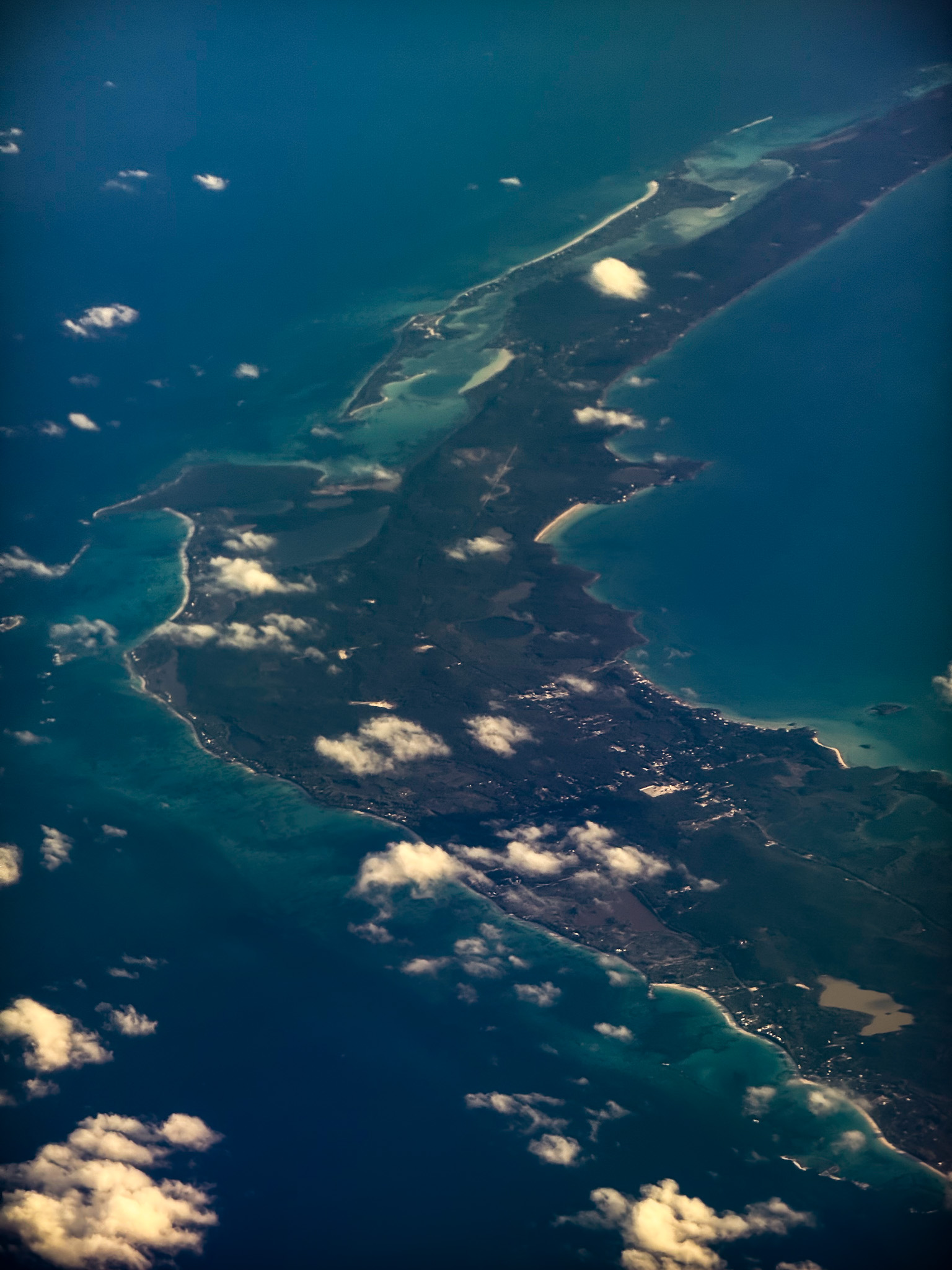
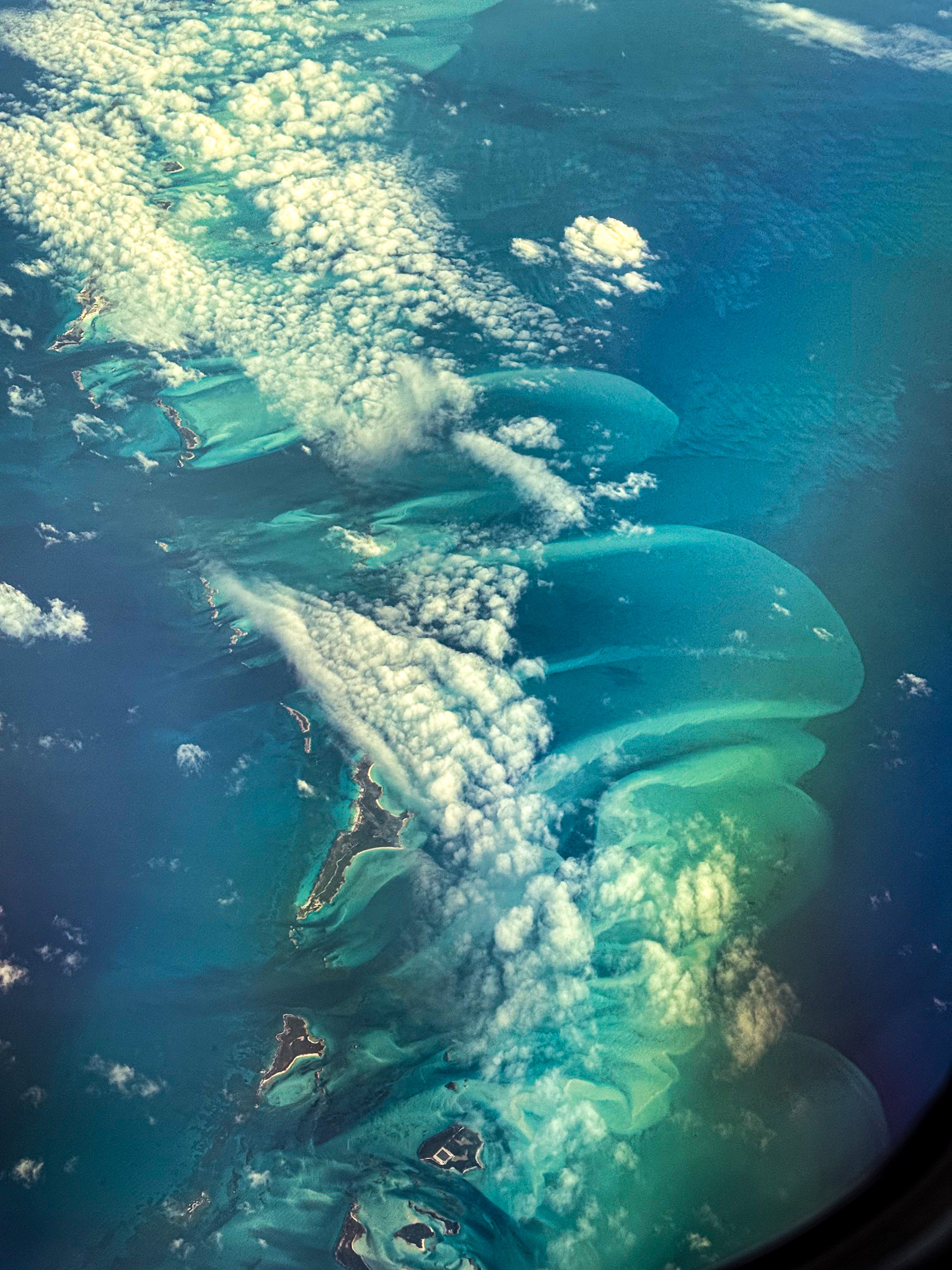
BOOKING THE FLIGHTS
Tickets were booked almost immediately through Expedia.
I had two flight options: one from Oslo with a stop in Amsterdam, and another one with a stop in the United States.
Even though the route through the U.S. was slightly cheaper, it would have required additional travel authorization and a bit more paperwork. Since traveling to Costa Rica from Europe is usually quite straightforward, I decided to go with the easier option through Amsterdam.
Of course, visa requirements always depend on your passport. In my case, I travel with a Greek passport, so it was simple.
With the flights booked, the first step was done.
ONE DESTINATION OR ROAD TRIP?
The second question came almost immediately: should we stay in one place for the entire two weeks, move around Costa Rica every few days, or even visit a neighbouring country such as Nicaragua and combine two countries into one trip?
The time available was limited – just two weeks. And even though Costa Rica looks surprisingly small on the map, there are so many different regions worth exploring. Caribbean beaches, volcanoes, rainforests, waterfalls, wildlife, surfing towns… suddenly two weeks didn’t seem that long after all.
So, step three: deciding how to travel around the country.
I eventually chose to do a road trip.
There is always the option of using shuttle buses, which many travellers do, but at the planning stage the idea of waking up at 6 a.m. every few days to catch a shuttle sounded absolutely terrible. (Ironically, once I arrived in Costa Rica, I somehow ended up waking up at 4 a.m. almost every day, so that probably shouldn’t have been a deciding factor.)
Still, I’ve always loved road trips. A few years ago I did one across Northern Italy with my best friends, a completely different adventure, which I’m sure I’ll write about another time.
But for Costa Rica, the decision was easy.
Road trip it was.
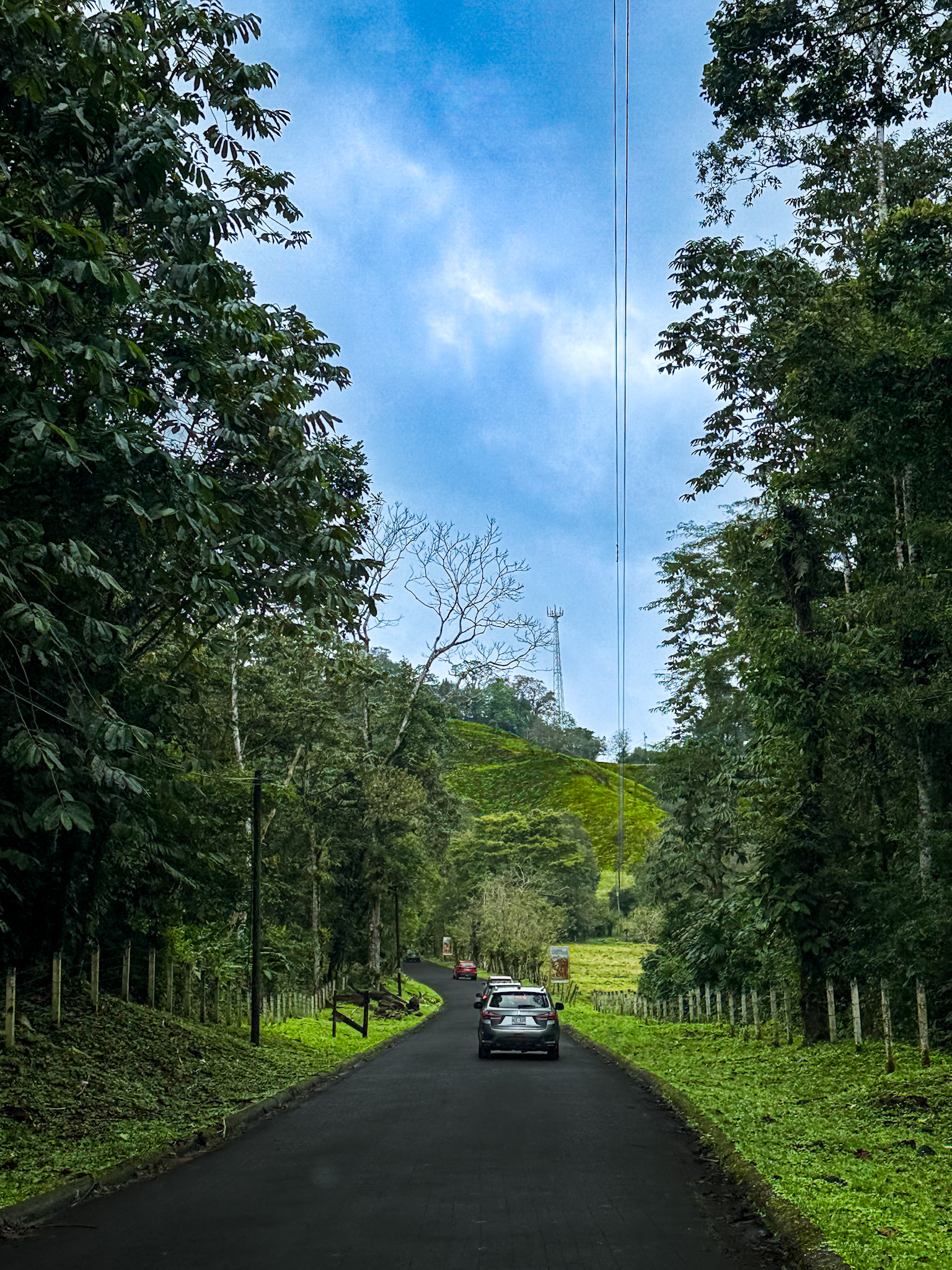
CHOOSING THE DESTINATIONS
I left the car rental for later because I first wanted to figure out where exactly we were going.
My flights were booked to San José International Airport, and the trip was planned for February.
Before booking anything, I spent hours researching the best time to visit Costa Rica and trying to avoid the rainy season.
As it turned out, my luck wasn’t exactly perfect — but I’ll get back to that later.
At first, I was considering several destinations: San José (the capital), Puerto Viejo on the Caribbean coast, Monteverde, La Fortuna, the Guanacaste region, and Manuel Antonio.
If I had a whole month to explore Costa Rica, I would have happily visited all of them. But with only two weeks available, I had to be smart and decide what kind of adventure I actually wanted.
Puerto Viejo was an easy choice. I simply couldn’t imagine visiting Costa Rica without experiencing the Caribbean side of the country and its relaxed atmosphere.
La Fortuna immediately made it onto the list as well. Honestly, it felt impossible to plan a first trip to Costa Rica without including it.
For the beach portion of the trip, I chose Guanacaste. I was looking for beautiful beaches, smaller towns, and a slightly less touristy experience compared to Manuel Antonio, which I still believe is absolutely gorgeous but also one of the busiest destinations in the country.
Since La Fortuna was already part of the itinerary, Monteverde slowly moved lower on my priority list. My reasoning at the time was that if, for some strange reason, we didn’t enjoy La Fortuna (yes, we can all laugh at that idea now), Monteverde would have been the alternative.
With only two weeks available, however, visiting both wasn’t realistic.
One thing became clear very early during the planning process: unless you’re a museum enthusiast, I personally wouldn’t dedicate more than a couple of days to San José.
In fact, I didn’t spend any real time there at all. Partly because I was influenced by a Costa Rican colleague from work who didn’t exactly speak very enthusiastically about the capital.
On the other hand, San José does offer museums, cultural attractions, restaurants, and plenty of opportunities to experience local city life.
It simply wasn’t the kind of experience I was looking for on this particular trip.
BUILDING THE ROUTE
So, to make things easier, I decided to turn the whole trip into a loop.
Since we were skipping San José itself, I thought it would make sense to spend our first and last nights near the airport.
That way, we could relax after the long flight and avoid a stressful drive immediately after landing.
I chose Alajuela, a town located very close to the airport. Most hotels and Airbnbs in the area offer airport transportation, which made everything even more convenient. Our flight was arriving late in the evening, so we wanted a quiet first night before the real adventure began.
Alajuela turned out to be a great choice. The town has several charming streets to explore and a huge shopping mall where you can find pretty much anything you might need before starting your road trip.
So Day 1 was decided: one night in Alajuela.
After that, I simply opened Google Maps and started looking at the route as a circle rather than a straight line.
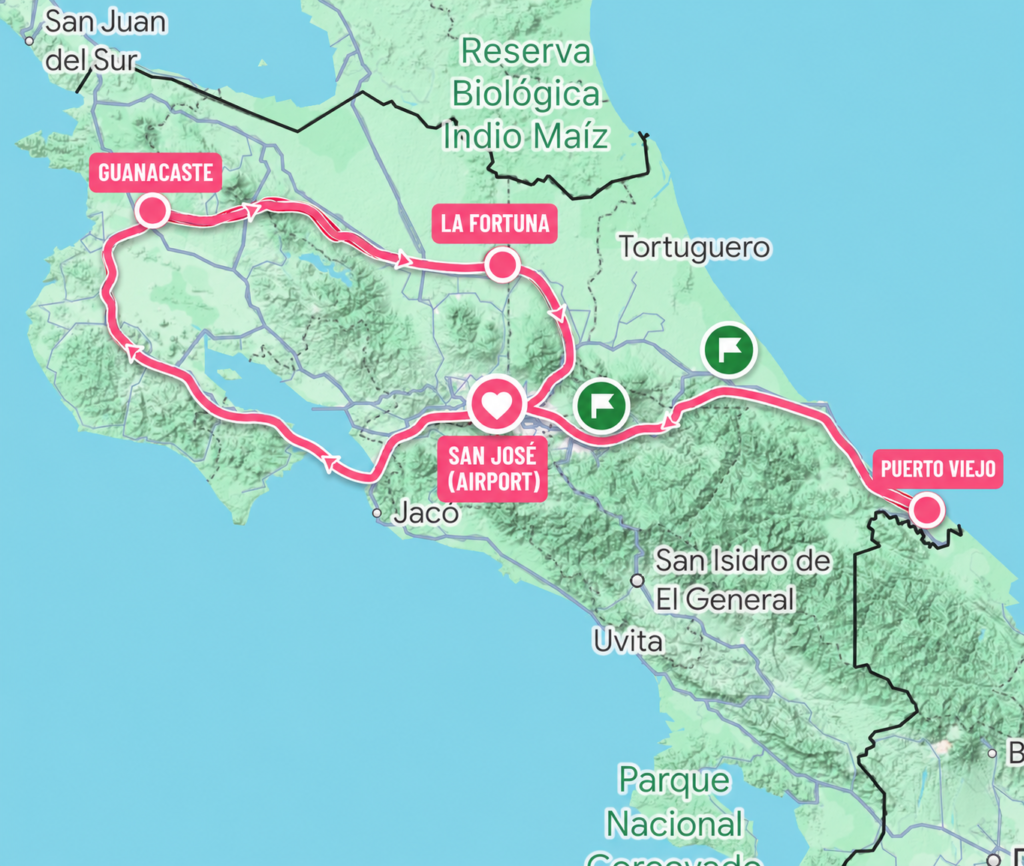
Airport → Alajuela → Puerto Viejo (Limón) → La Fortuna → Guanacaste → Alajuela → Airport
The route was finally taking shape.
Now comes the hardest part: deciding how long to stay in each destination.
DECIDING HOW MANY DAYS TO SPEND IN EACH PLACE
Easy enough in theory.
Choosing how many days to spend in each destination, however, was a completely different story.
And for all my fellow indecisive travellers out there who struggle to make decisions, I feel your pain.
I changed my mind multiple times while planning this trip.
I moved days around, changed Airbnbs, and kept adjusting the itinerary until the very last moment.
Because of that, my biggest planning tip is simple:
Book accommodations with free cancellation whenever possible.
It gives you the freedom to rethink your itinerary without losing money if you change your mind later.
Eventually, the plan looked like this:
At the time, this seemed like the perfect balance between beaches, wildlife, adventure, and driving distances.
Would I plan it exactly the same way again?
Not quite.
But you will find more about that in this article.
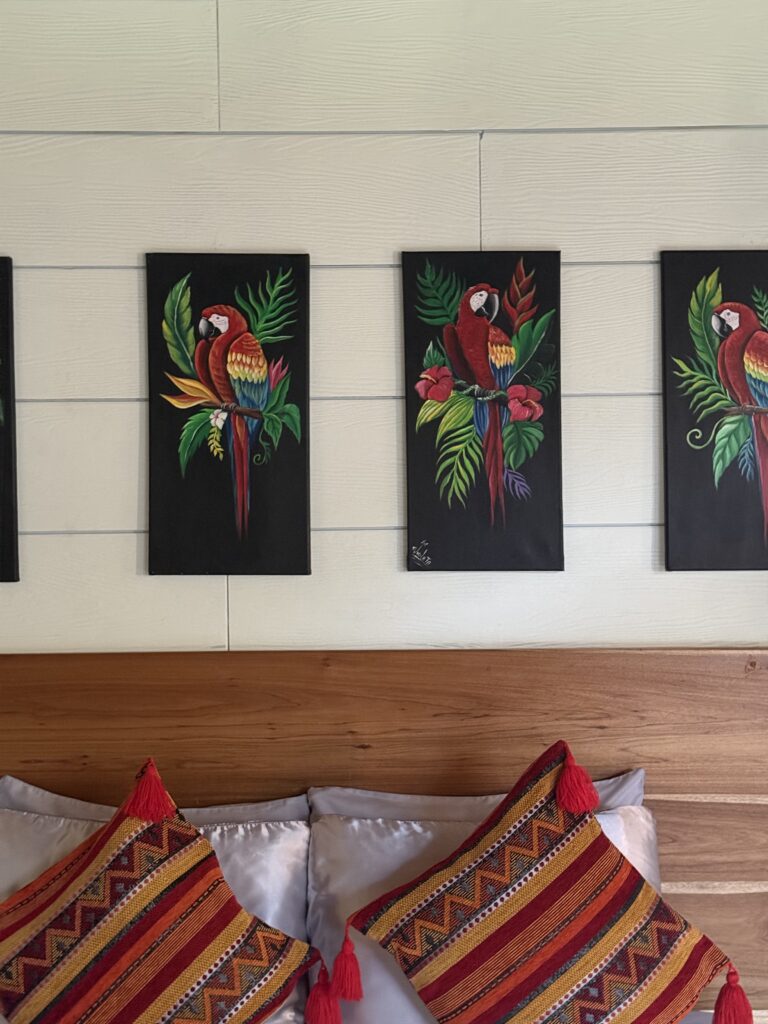
FINDING THE RIGHT ACCOMMODATION
One of the first things I started researching was accommodation.
Since we were planning to rent a car, I wasn’t particularly concerned about staying right in the centre of town or within walking distance of every attraction.
Having our own transportation gave us much more flexibility.
If you’re not renting a car, however, I would strongly recommend paying closer attention to location. Public transportation in Costa Rica is possible, but it isn’t always convenient, especially when moving between tourist areas. Taxis and private transfers are available, but costs can add up quickly.
For us, two accommodation requirements were non-negotiable:
Free parking and air conditioning.
Free parking was obvious since we would be driving throughout the country.
Air conditioning, on the other hand, became more important the more I researched Costa Rica.
Between the tropical heat, humidity, rain, mosquitoes, and every other little creature that seems to enjoy the climate, having a cool room to return to at the end of the day sounded less like a luxury and more like a survival strategy.
When choosing locations, I focused on convenience rather than luxury.
For our first and last nights, I chose Alajuela because of its proximity to the airport and the availability of airport shuttle services.
In Puerto Viejo, I looked for accommodation within walking distance of the beach, particularly near Playa Negra, while still having easy access to the town.
For La Fortuna, I initially wanted to stay close enough to walk into town if needed. Parking can sometimes be more challenging there compared to other destinations, so I liked the idea of having both options available.
(Spoiler alert: we ended up driving everywhere anyway.)
For the beach portion of the trip, I chose Playa Grande as our base in Guanacaste. It sat perfectly between several beaches I wanted to explore, including Tamarindo, Playa Conchal, Playa Brasilito, and Playa Flamingo, making it an ideal starting point for beach-hopping around the region.
You will find more about the places we stayed in Costa Rica in this article.
RENTING THE CAR
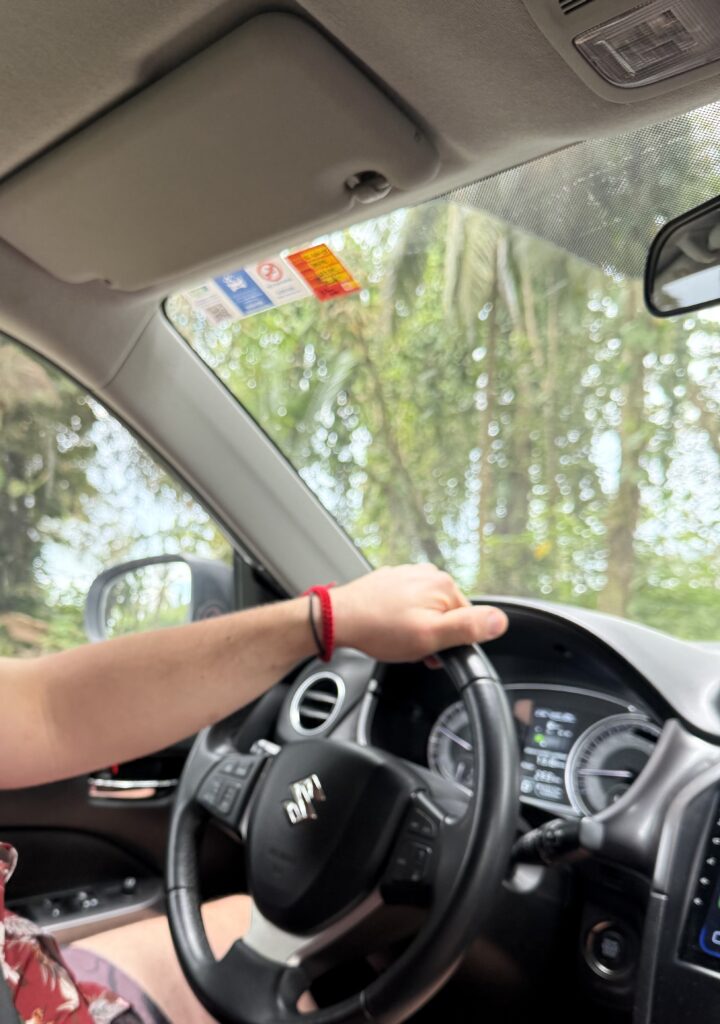
And… phew.
By the time all of that was planned — after changing my itinerary about thirty times and questioning every decision at least twice — there was only one major thing left to organise before the trip.
The car.
Kind of important when you’re planning a road trip.When I started looking at rental companies, I quickly realised there weren’t that many choices when it came to vehicle types.
Most companies mainly offer SUVs, and honestly, I think that’s probably the best option for Costa Rica anyway.I decided to rent a 4×4.
Not because I knew I would absolutely need it, but because the price difference wasn’t dramatic and I liked the idea of being prepared for every possible scenario.
In my head, I was already imagining tropical storms, flooded roads, muddy tracks in the middle of nowhere, and my rental car getting hopelessly stuck while I questioned every life decision that had brought me there.
Spoiler alert: none of that happened.
Costa Rica actually has a surprisingly good road network.
Most of the roads we used throughout the trip were paved and in much better condition than I had expected.
There are, of course, exceptions, especially if you’re heading towards certain waterfalls, remote beaches, or less-developed areas, but for the route I chose, a standard SUV would probably have been enough.Still, I never regretted having the 4×4.
If nothing else, it gave me a little extra peace of mind.
Eventually I chose Adobe Rent a Car after reading dozens of reviews, but I cover the rental process and insurance requirements in this article.
PLANNING THE ACTIVITIES
And we were almost there.
If you’ve made it this far, you deserve a round of applause.
The last piece of the puzzle?
Activities.
And yes, they were a very big deal.
Costa Rica offers an incredible variety of experiences, and every region tells a completely different story. That was actually one of the reasons I decided to do a road trip instead of staying in a single destination.
When planning the itinerary, I didn’t start by choosing hotels or restaurants. I started by asking myself one simple question:
What do I absolutely want to experience in Costa Rica?
For me, the answer was easy.
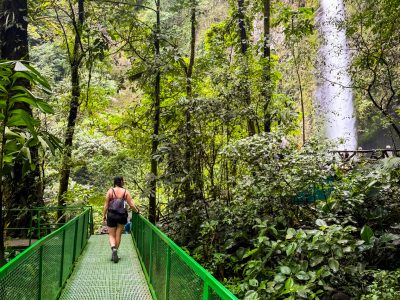
I wanted wildlife, waterfalls, rainforests, beaches, adventure, and local culture.
I couldn’t imagine visiting Puerto Viejo without spending time on the Caribbean beaches, exploring Cahuita National Park, and learning more about chocolate production.
I couldn’t imagine going to La Fortuna without rafting and zip-lining.
And I certainly wasn’t going all the way to Guanacaste without spending time by the ocean.
Once I had my list of experiences, choosing the destinations became much easier. I
nstead of asking “Where should I go?”,
I started asking “Which place is best for the experiences I want to have?”
That simple shift made planning the entire road trip much easier.

WHEN THE TRIP FINALLY FELT REAL
At this point I finally had everything I needed:
Flights
Route
Accommodation
Rental car
E-SIM
NordVPN
Activities
Before arriving in Costa Rica, I had already activated my Holafly eSIM and downloaded my offline maps.
Having mobile data from the moment I landed made navigating with Waze much easier, especially during longer drives between destinations. I also keep a VPN installed whenever I travel and connect to airport, hotel or public Wi-Fi networks.
For the first time since I started planning, the trip felt real.
Looking back, planning the trip took far more time than I expected. I changed routes, accommodations, activities, and even destinations multiple times.
But when I finally landed in Costa Rica, I realised that all those hours of planning had been worth it.
What I didn’t know yet was that I was about to spend two weeks in a country where one expression seemed to explain almost everything:
PURA VIDA
Would I plan the exact same itinerary again?
Probably not.
But that’s exactly what I am talking about in this article.