Why I Decided To Rent a Car
After finally deciding how many days and nights I would spend in each destination, I reached the next big question: should I rent a car or rely on shuttle buses?
At that point, the answer wasn’t entirely clear. I had already done a few road trips around Europe, but never in Central America. And after reading countless travel forums and Facebook groups, I had somehow convinced myself that driving in Costa Rica would be much more difficult than it actually turned out to be.
One of the reasons I considered shuttle buses was surprisingly simple: I really didn’t want to wake up at 5 or 6 a.m. every time I had to move to a new destination. Most shuttle services leave very early in the morning, and that didn’t sound particularly appealing while planning a honeymoon.
The funny part?
Once I arrived in Costa Rica, I was waking up at 4 a.m. almost every day anyway thanks to jet lag. So that argument disappeared pretty quickly.
Still, the more research I did, the more I realised that a car would give me something a shuttle bus never could: complete freedom.
Costa Rica isn’t a country where trains connect every major destination, and many of the places I wanted to visit were outside town centres. Waterfalls, viewpoints, small beaches, local markets, roadside cafés, hidden swimming spots, these are often the places that end up becoming the most memorable parts of a trip.
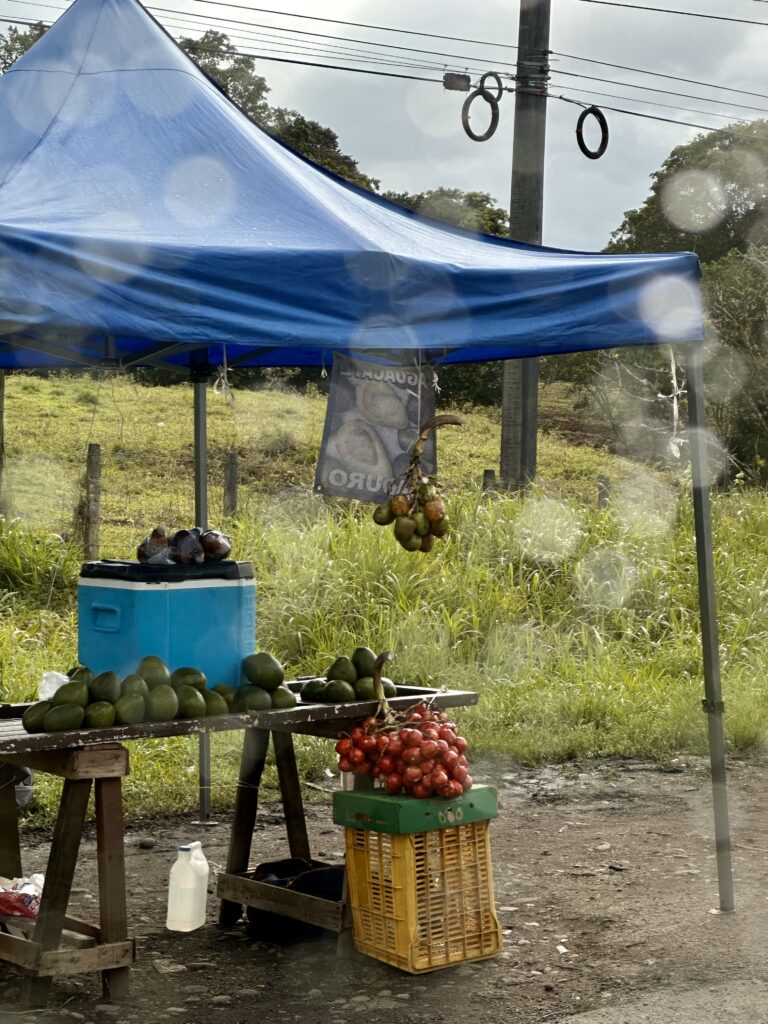
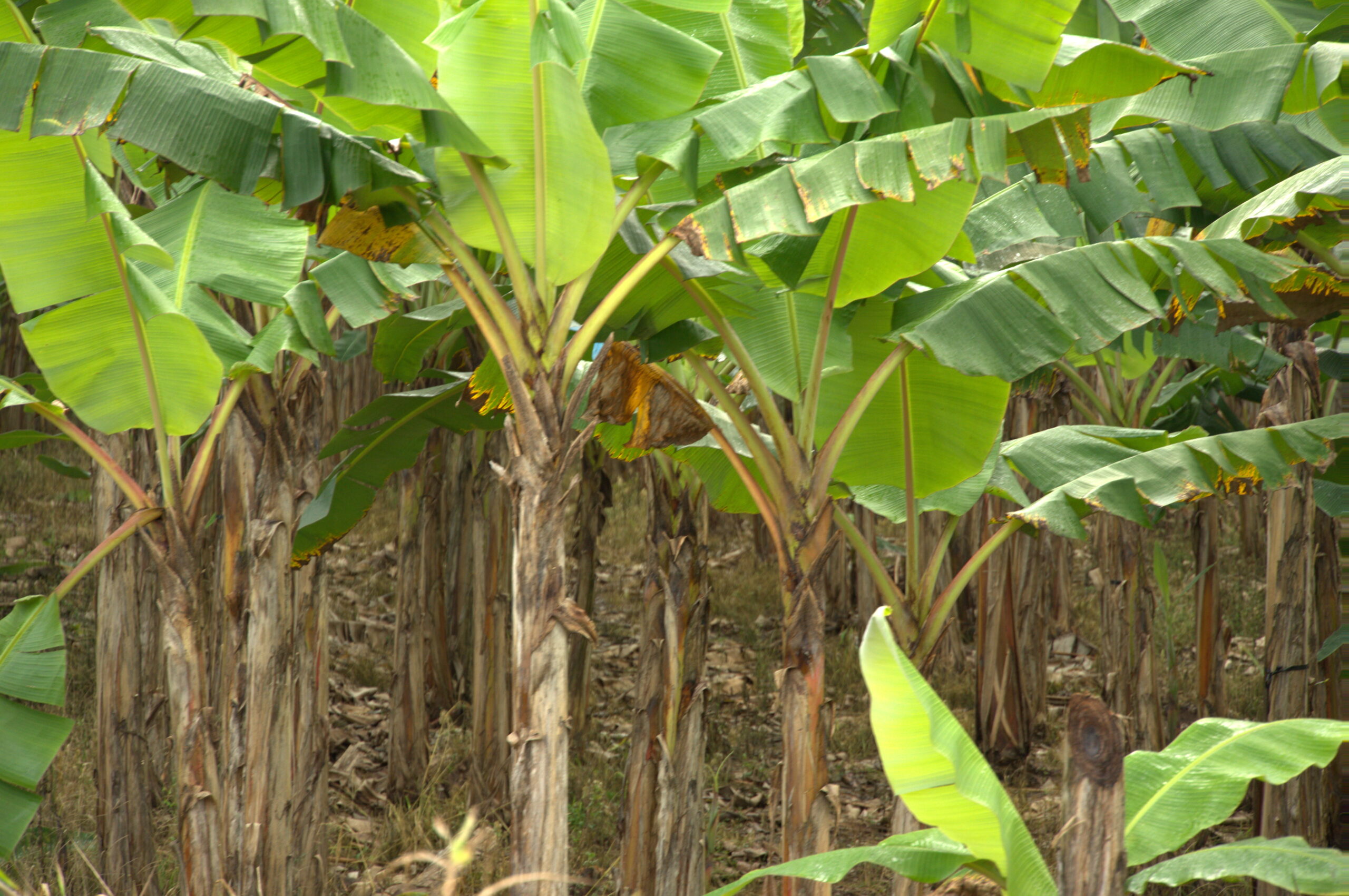
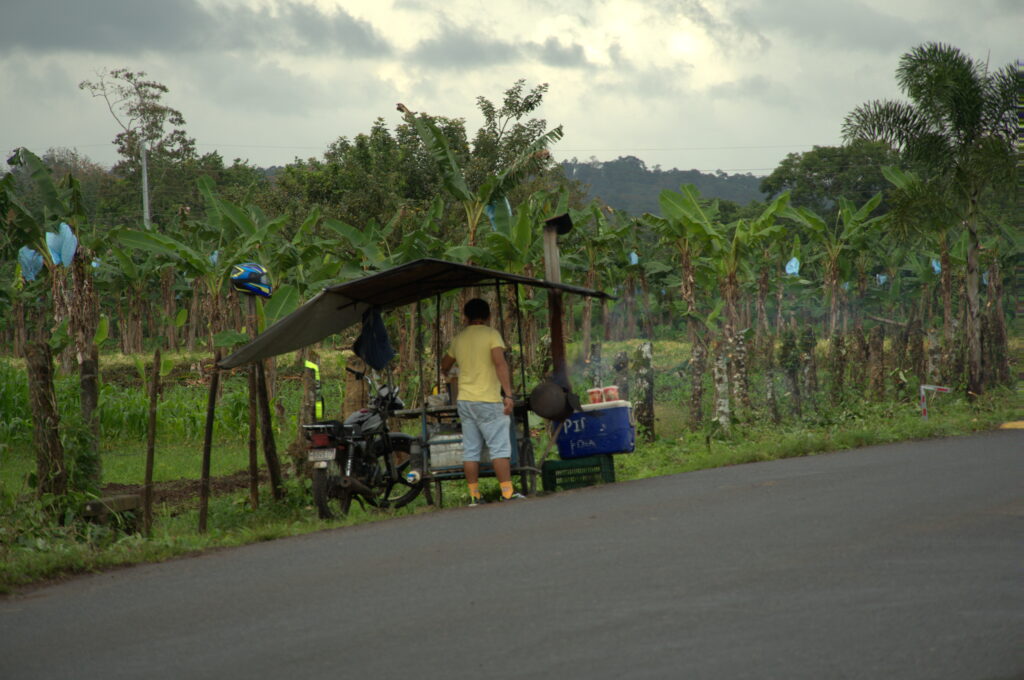
Throughout our road trip, we stopped countless times simply because something looked interesting. A waterfall sign on the side of the road. A small fruit stand. A viewpoint overlooking the jungle. None of those stops had been planned in advance.
With shuttle buses, most of those spontaneous moments would never have happened.
And while shuttle services can absolutely work if your goal is simply to move between destinations and stay mostly within town, they’re not always as cheap as many travellers expect once you start adding multiple routes together.
Looking back, renting a car was one of the best decisions we made for this trip.
And honestly?
I still don’t fully understand how people explore Costa Rica entirely by shuttle bus.
My Biggest Concern Before Booking
Where should I even start?
If you spend enough time reading travel forums, Reddit discussions, Facebook groups, or following Costa Rica travel experts, you’ll eventually become convinced that driving in Costa Rica is a combination of jungle survival training, flood navigation, and an extreme sports competition.
At least, that’s how I felt.
Every second story seemed to involve flooded roads, impossible mountain routes, cars getting stuck in mud, river crossings, or some dramatic warning about why you absolutely needed a 4×4.
Looking back, most of those fears were greatly exaggerated for the route I was planning.
That being said, I still recommend renting an SUV if your budget allows it. Not necessarily because you’ll need it every day, but because it gives you extra comfort and peace of mind.
And let’s talk about the rain.
Costa Rican rain is on a completely different level compared to what I’m used to in Europe. There were moments, especially around La Fortuna, when the rain was so intense that we simply stayed inside the car for ten or fifteen minutes waiting for it to calm down.
The good news?
Just like my decision-making process while planning the trip, the weather often changed very quickly. One moment it felt like the world was ending, and twenty minutes later the sun was shining again.
Another concern came from stories I had read online about fake police officers targeting tourists.
Some of those stories were incredibly detailed and honestly made me a little nervous before arriving.
My personal experience, however, was completely different.
Could scams happen? Of course. Just like they can happen almost anywhere in the world.
But throughout the entire trip, every interaction we had was positive. The people we met were friendly, helpful, and welcoming, whether we were asking for directions, buying fruit at a roadside stand, or stopping in small towns along the way.
In the end, the things I worried about the most before travelling turned out to be some of the least important parts of the actual experience.
Do You Really Need a 4×4?
Well… yes and no.
I know that’s probably not the answer you were hoping for, but it really depends on the type of trip you’re planning.
If you’re visiting Costa Rica during the rainy season, planning to explore remote villages, drive on lesser-known roads, or visit more adventurous destinations, then yes — I would strongly recommend a 4×4.
On the other hand, if your itinerary looks similar to mine, covering places such as Puerto Viejo, La Fortuna, Guanacaste, and the main tourist routes, then a 4×4 is not necessarily essential.
Would I rent one again?
Absolutely.
Did I actually need it? Thankfully, no.
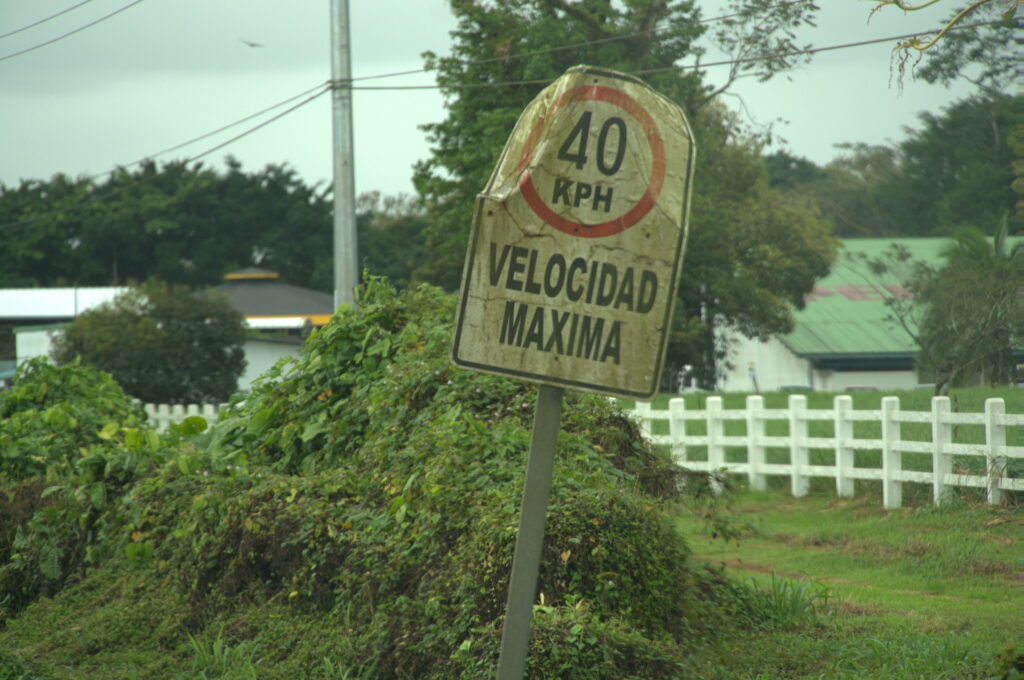
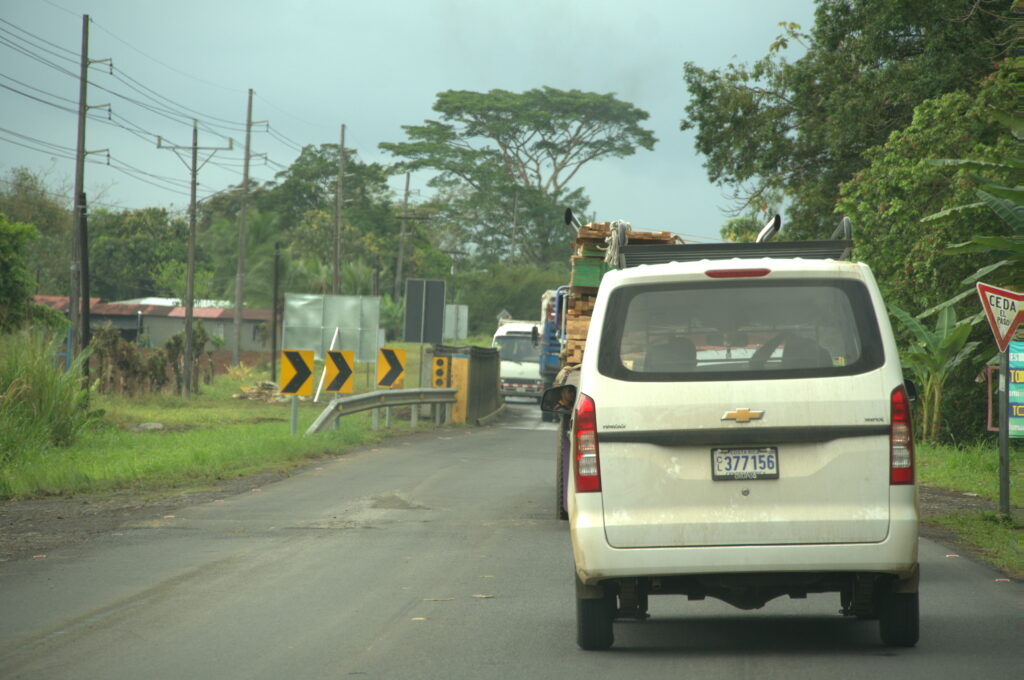
Most of the roads we used throughout the trip were paved and in much better condition than I had expected before arriving. Even some of the routes I had worried about beforehand turned out to be surprisingly straightforward.
That being said, having a 4×4 gave me peace of mind.
When heavy rain suddenly appeared or when I had absolutely no idea what the next kilometre would look like, I never found myself worrying about whether the car could handle it.
For me, that extra confidence was worth the additional cost.
But if you’re trying to save money and your route mainly follows the country’s most popular destinations, don’t let the lack of a 4×4 stop you from renting a car and exploring Costa Rica.
The Insurance Confusion
In Costa Rica, insurance is almost as simple as the country’s favourite expression:
Pura Vida.
You really don’t need to overthink it because they don’t give you many other options.
They don’t seem to care whether you already have travel insurance or bank insurance that covers rental cars anyway.
Maybe it’s still worth sending an email and asking in advance, but in my case it didn’t make any difference.
Full coverage was mandatory.
Literally, the boxes were already checked for me before I even arrived.
At first I found that a little frustrating because I was already paying for insurance elsewhere. But at the same time, it gave me peace of mind.
No stress about scratches.
No stress about small accidents.
No stress about every strange noise the car made.
Everything was covered.
Well then… Pura Vida.
The Rental Company I Chose
After reading dozens of reviews, I eventually chose Adobe.
The reason was simple: less complicated, good reviews, and very little scam-related content online.
I checked all the boxes, sent an email to get confirmation, and voilà.
It turned out exactly as I had hoped.
They offered a shuttle from the hotel because their office is located a little further from the airport (about 10 minutes by car). We arrived, paid the security deposit by credit card, got the car, took a few photos, and were ready to explore.
The whole process took around ten minutes. Everything was explained clearly, and we were on the road very quickly.
The car was new, clean, easy to drive, and very well maintained.
The return process was just as smooth. They checked the car, provided the paperwork needed for the credit card insurance refund, and drove us back to the airport for our flight.
One small thing to keep in mind: leave enough time before your flight. The shuttle usually waits for other customers before heading to the airport, so you might spend a little extra time there depending on who is returning their cars at the same time.
Overall, the experience was exactly what I wanted from a rental company: simple, straightforward, and stress-free.
Fuel, Tolls and Parking
I was actually quite worried about gas stations, toll roads and parking before arriving in Costa Rica.
But let’s take them one by one.
Gas Stations
Costa Rica has plenty of gas stations and they were much easier to find than I expected.
The only place where I paid a little more attention was around Puerto Viejo in Limón, where there are fewer options and the closest large gas station is located outside town. Apart from that, finding fuel was never really a problem.
At first, I was so worried about running out of fuel that I wanted to fill up the car before every drive. A few days later, I realised I was overthinking it. Sometimes we went two or three days without visiting a gas station at all.
In general, we simply filled up at the beginning of each drive to a new destination, and that was more than enough.
Toll Roads
We passed through a few toll roads during the trip, but the costs were surprisingly low.
Before arriving, I had imagined something much more complicated. In reality, they were straightforward and never became a significant expense.
Parking
Parking was easier than expected as well.
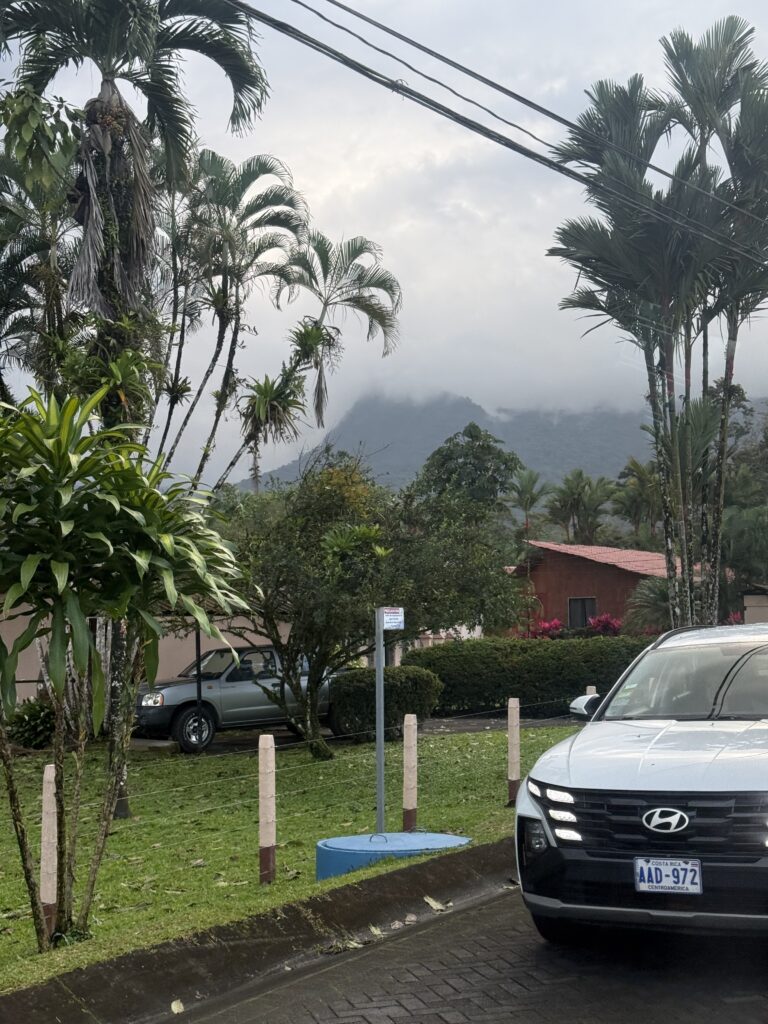
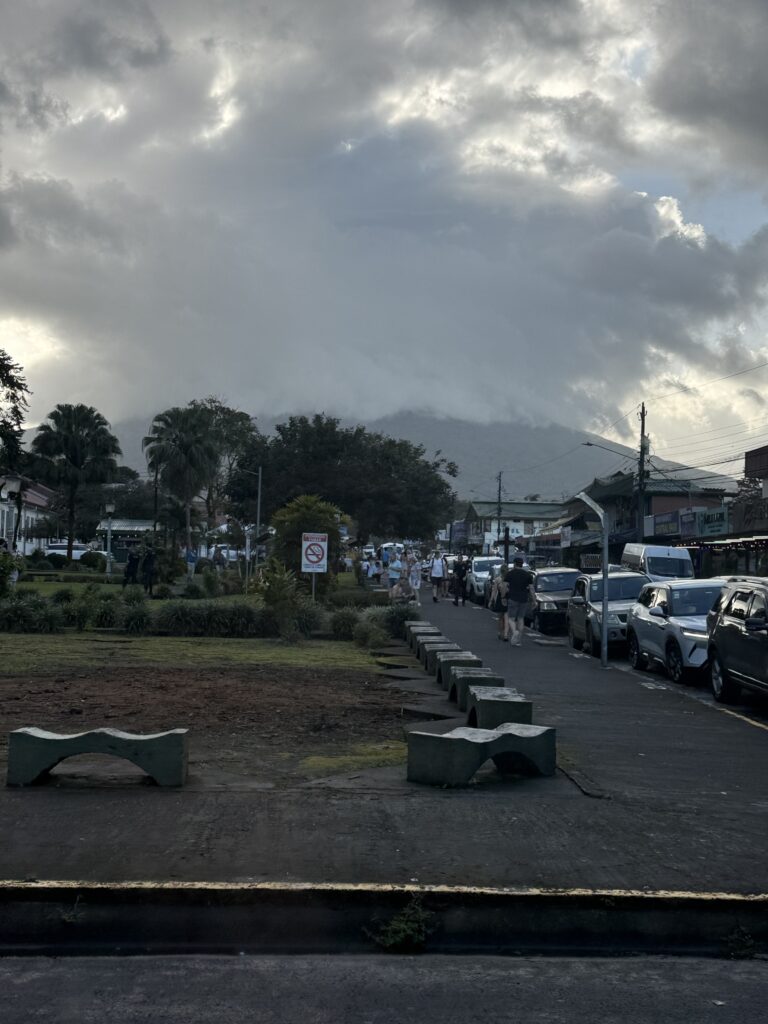
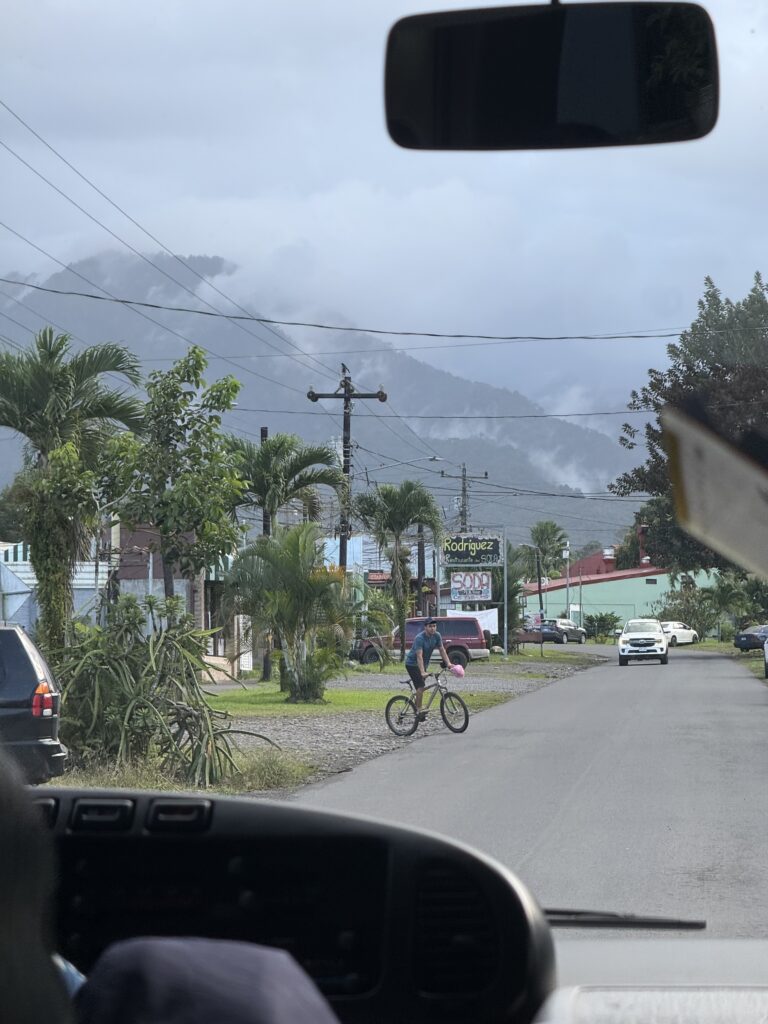
Every Airbnb and hotel we booked offered free parking, which made things very convenient. In most destinations, we also found free street parking without much difficulty.
One thing worth mentioning, however, is the unofficial parking attendants that are common in some tourist areas. You may find locals standing near public parking areas who offer to “watch” your vehicle in exchange for a small tip, usually around $5–10.
Many travellers use these services without any issues, but personally we usually preferred to park in regular free parking areas whenever possible.
The main exceptions were La Fortuna and Playa Conchal.
In La Fortuna, we found an official parking lot in the town centre, although we weren’t entirely sure how the payment system worked and eventually moved the car elsewhere.
At Playa Conchal, on the other hand, paying a local attendant was practically unavoidable if you wanted convenient access to the beach.
Overall, fuel, tolls and parking ended up being far easier than I had expected before arriving in Costa Rica.
Final Thoughts
Looking back, renting a car ended up being one of the best decisions of the trip.
Did I need a 4×4?
Probably not.
Did it give me peace of mind?
Absolutely.
And somewhere between the rainstorms, the fruit stands, the jungle roads and the unexpected stops, I started understanding a phrase I kept hearing everywhere:
Pura Vida.
But that’s a story for later.